


Curated by Maggie Puckett for the 2017-2018 growing season
325 years ago two of my 10th great grandmothers were accused, convicted, and sentenced to die for the crime of witchcraft. Susannah North Martin was hanged on July 19, 1692. About four months later, Ann Alcock Foster died in prison before she could be executed. These women are but two of at least 19 blood relatives of mine that participated in the infamous Salem Witch Trials. The year of terror against women grew out of the colonists’ white supremacist, extreme religious, and misogynistic beliefs. Nearby colonial wars against native communities caused immense fear in the Massachusetts Bay Colony. Not only the fear of a violent death, but the racist belief that natives were worshippers of the Devil, coalesced that year into a hysterical witch hunt feverishly searching for scapegoats to take the blame of any loss, illness, or hardship. Women were considered the weaker sex and thus more susceptible to possession by the Devil. Expected to exist within the extreme confines of acceptable puritanical behavior, women could easily find that even a small expression of their humanity could result in extreme punishment. As husbands died, widows found too that without a male to “control” her, her life was a threat to the social order.
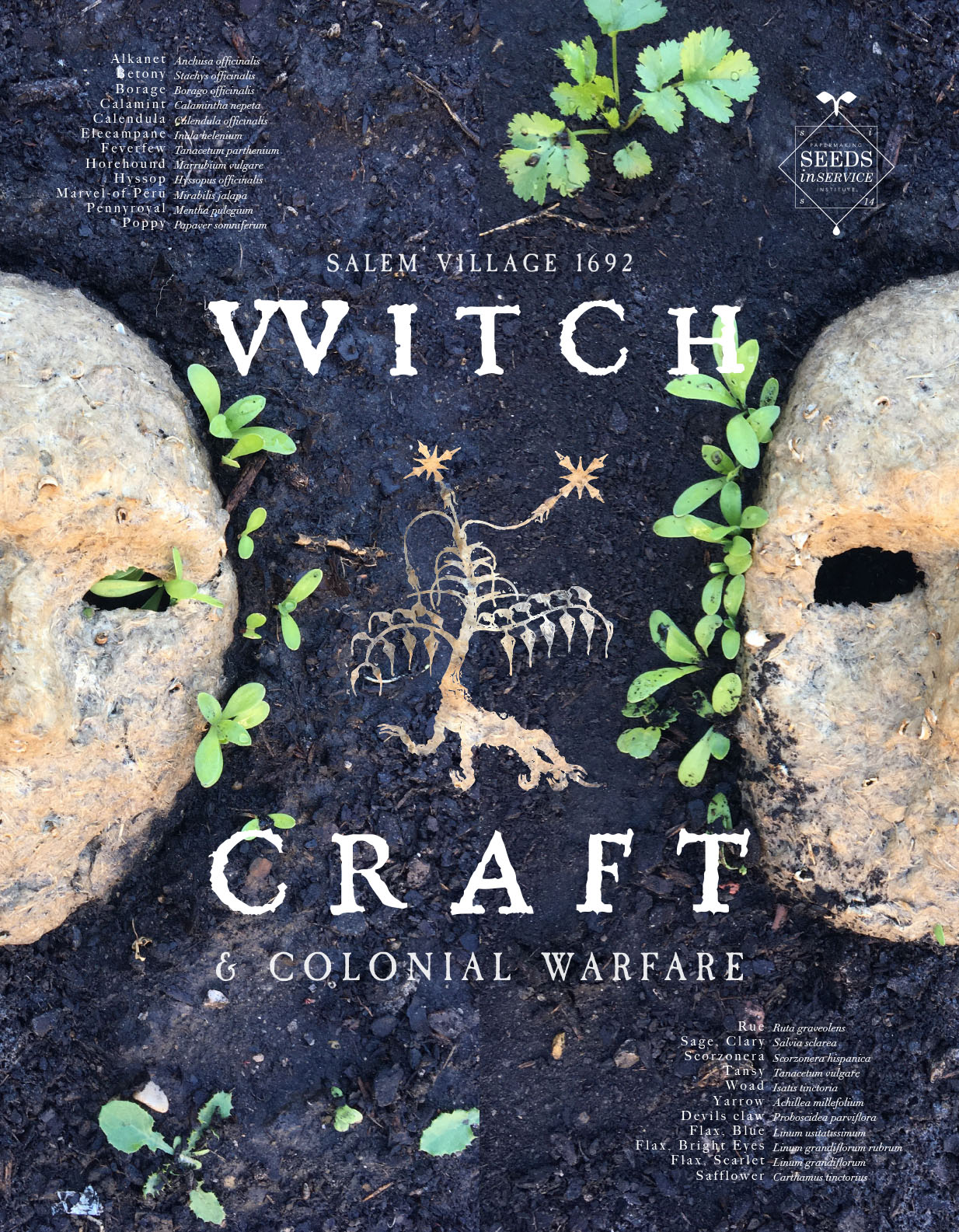
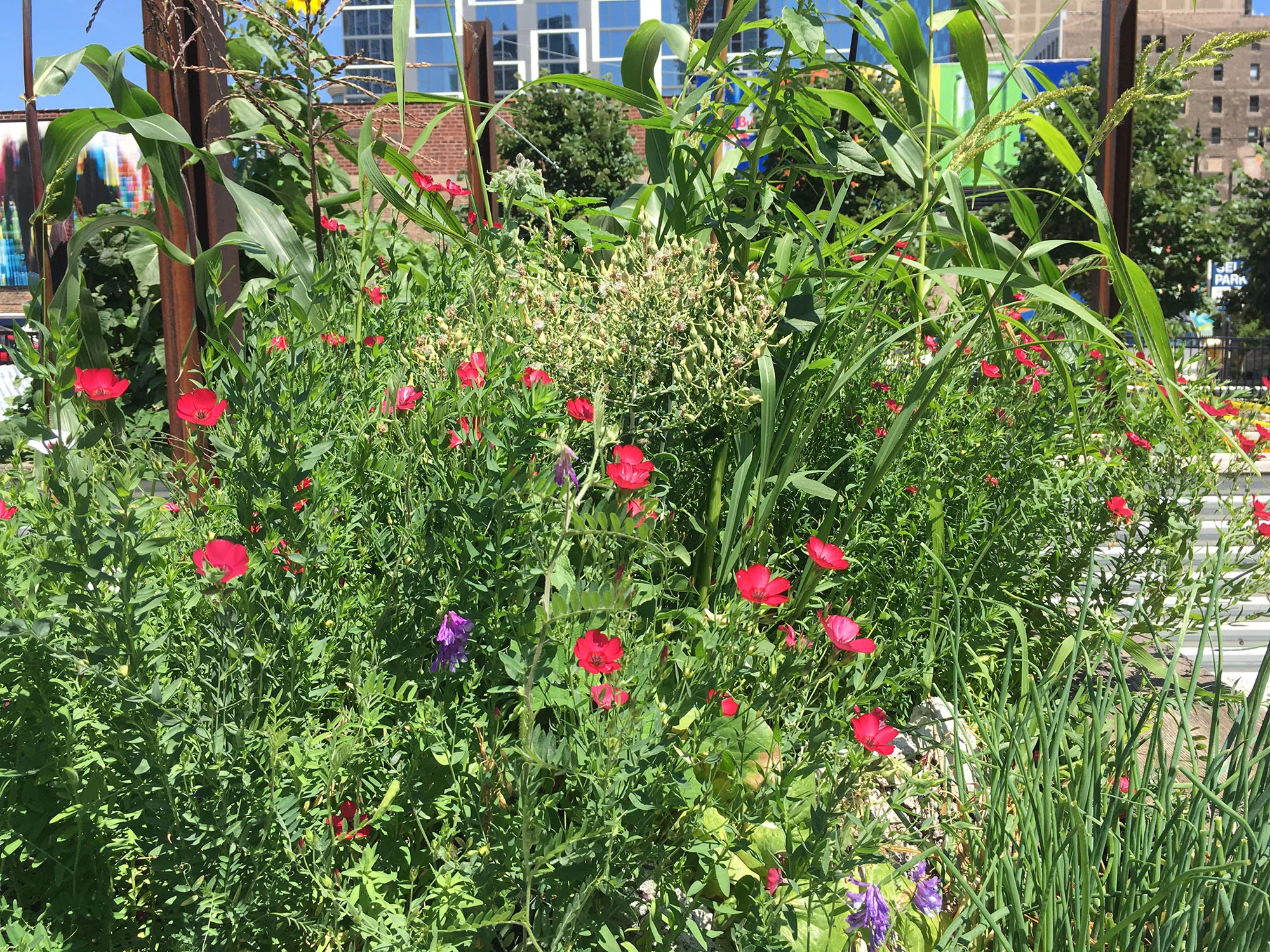
Inspired by this intersection of patriarchy and white supremacy, Witchcraft and Colonial Warfare combines medicinal, fiber, dye, and food plants from the New and Old worlds. Representing the deadly clash of cultures through colonization and the misogynistic internal conflicts within the colonists’ own society.